
식품 포장재는 공간이 한정되어 있지만 담고 싶은 이야기는 많습니다 — 생산지, 레시피, 알레르기 유발물질, 지속가능성까지요. QR 코드는 라벨을 다시 디자인하지 않고도 확장해 줍니다: 스캔하면 고객은 전체 이야기, 레시피, 또는 로열티 가입 페이지를 얻습니다. 코드를 동적으로 만들면 이미 인쇄되어 진열대에 있는 포장재도 업데이트할 때마다 새로운 콘텐츠로 다시 지정할 수 있습니다.
식품 브랜드의 코드가 도움이 되는 곳
- 생산지와 원재료 이야기. 원재료의 출처와 제품 제조 방식으로 연결되는 코드입니다 — 농장 쪽 관점은 농업용 QR 코드를 참고하세요.
- 레시피 아이디어. 제품 활용법으로 연결되는 코드입니다 — 더 폭넓은 접근은 레시피용 QR 코드를 참고하세요.
- 확장된 알레르기 유발물질 및 영양 정보. 라벨에 담을 수 없는 상세 정보로 연결되는 코드로, 필수 인쇄물을 대체하지 않고 보완합니다.
- 로열티와 리워드. 가입이나 포인트 프로그램으로 연결되는 코드입니다.
- 지속가능성 주장. 생산지, 포장, 인증 정보를 담은 실제 페이지로 연결되는 코드로, 라벨의 주장을 실질적인 내용으로 뒷받침합니다.
포장재는 진열대에 남고, 콘텐츠는 최신을 유지합니다
정적 코드는 인쇄 시점에 있던 콘텐츠를 그대로 고정하므로, 몇 달 후에도 진열대에 남아 있는 포장재는 낡은 레시피 링크나 오래된 지속가능성 페이지를 가리키게 됩니다. 동적 코드는 포장재는 고정한 채 콘텐츠가 바뀔 때마다 목적지를 업데이트합니다.
대부분의 도구가 동적 코드에 요금을 매기기 때문에, Capy QR의 무료 요금제 — 동적 리다이렉트와 스캔 분석 포함 — 는 대규모로 포장재를 인쇄하는 브랜드에게 중요합니다. URL QR 코드 생성기로 어떤 목적지든 코드로 만들어 보세요.
에디터에서 직접 만들기 → 무료 QR 코드 생성기
다시 한번 강조할 라벨 규칙
QR 코드는 법적으로 요구되는 식품 라벨 정보를 보완할 뿐, 대체하지 않습니다. 알레르기 유발물질 표시, 영양 성분표, 그 밖의 규제 대상 내용은 해당 지역의 표시 규정에 따라 실제 포장재에 남아 있어야 합니다 — QR 코드는 필수 사항을 넘어서는 추가 정보를 위해 사용하고, 필수 인쇄물을 줄이는 수단으로 쓰지 마세요.
어떤 콘텐츠가 스캔을 얻는지 확인하기
레시피 코드와 생산지 코드에 각각 별도의 동적 링크를 부여하면, Capy QR의 무료 7일 분석이 고객이 실제로 어떤 것에 더 관심을 보이는지 보여줍니다 — 무엇을 확장할지 판단하는 데 유용한 신호입니다.
인쇄 준비가 된 포장재용 코드
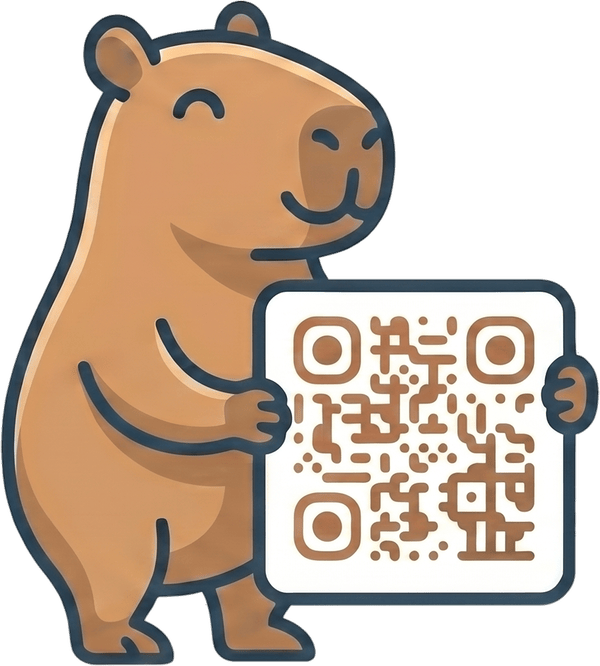
식품 포장재용으로 스타일링한 Capy QR입니다 — 따뜻한 느낌에 고대비이며, 선명한 SVG로 내보낸 것으로 워터마크도 계정도 필요 없습니다:
자주 묻는 질문
- 식품 브랜드는 포장재에 QR 코드를 어떻게 활용하나요?
- 코드는 생산지와 원재료 이야기, 알레르기 유발물질 상세 정보, 레시피 아이디어, 또는 로열티 프로그램으로 연결할 수 있습니다 — 작은 라벨에는 담을 수 없는 내용입니다. 동적으로 만들면 이미 인쇄된 포장재도 콘텐츠가 바뀔 때 다시 지정할 수 있습니다. Capy QR은 이를 스캔 분석과 함께 무료로 만들어 줍니다.
- 식품 브랜드의 QR 코드는 정적이어야 하나요, 동적이어야 하나요?
- 동적이어야 합니다. 포장재는 대량으로 인쇄되어 몇 달 동안 매장 진열대에 남아 있지만, 레시피, 프로모션, 심지어 생산지 정보까지 그보다 더 자주 바뀔 수 있습니다. 동적 코드는 포장재는 그대로 둔 채 목적지만 최신 상태로 유지합니다. Capy QR은 동적 코드를 무료로 제공합니다.
- QR 코드로 알레르기 유발물질이나 영양 정보를 보여줄 수 있나요?
- QR 코드는 알레르기 유발물질이나 영양 정보를 상세히 다룬 페이지로 연결할 수 있지만, 식품 표시 규정에 따라 필수 표시 정보는 여전히 실제 포장재에 있어야 합니다 — QR 코드는 라벨을 보완할 뿐, 법적으로 요구되는 인쇄물을 대체하지 않습니다.
- QR 코드가 브랜드의 지속가능성 이야기를 뒷받침할 수 있나요?
- 네 — 생산지, 포장 재료, 인증에 관한 상세 페이지로 연결되는 코드는 라벨의 모호한 문구 대신 실제 정보로 브랜드의 주장을 뒷받침할 수 있게 해줍니다.
- 식품 브랜드용 QR 코드는 비용이 드나요?
- Capy QR에서 코드를 만드는 것은 무료입니다 — 스타일링되고, 워터마크도 없으며, 동적 코드는 무료 계정이 필요하고 정적 코드는 가입이 필요 없고 바로 인쇄할 수 있습니다. 링크가 연결하는 콘텐츠 페이지는 자체 호스팅 비용이 있을 수 있지만, QR 자체는 그저 링크를 전달할 뿐입니다.
요약하면: 포장재는 고정하고 코드를 동적으로 만들어 레시피, 생산지 이야기, 프로모션을 재인쇄 없이 최신 상태로 유지하세요 — 그리고 QR은 라벨을 보완할 뿐 필수 정보를 대체하지 않는다는 점을 기억하세요. Capy QR은 편집 가능한 코드와 분석을 무료로 제공합니다. 생산지 이야기용 코드로 시작하거나, 레시피용 QR 코드를 확인해 보세요.