
Ein QR-Code, der auf dem Bildschirm deines Laptops perfekt scannt, kann nach dem Druck komplett versagen — falsches Dateiformat, zu klein, geringer Kontrast oder Reflexionen von glänzendem Papier. Dies ist eine Produktions-Checkliste, um einen QR-Code vom Design zu einer Druckauflage zu bringen, die tatsächlich funktioniert, unabhängig von der Oberfläche: einer Visitenkarte, einem Poster oder einer Plakatwand.
Dateiformat: immer Vektor
Exportiere als SVG oder PDF, niemals PNG oder JPEG, für alles, was gedruckt wird. Eine Vektordatei skaliert auf jede Größe mit perfekt scharfen Kanten; eine über ihre native Auflösung hinaus vergrößerte Rasterdatei wird unscharf oder pixelig — genau der Fehlerfall, der Scans auf einem großen Poster oder Banner unbrauchbar macht. Capy QR exportiert beide Vektorformate kostenlos, ohne Wasserzeichen.
Größenregeln
- Faustregel: dimensioniere den Code auf etwa ein Zehntel der Scandistanz. Eine aus der Nähe gelesene Visitenkarte kann einen 2 cm großen Code verwenden; eine aus 50 Metern gelesene Plakatwand braucht etwa 5 Meter.
- Die Mindestgröße ist wichtiger als die Maximalgröße. Zu klein zu machen zerstört Scans schneller, als zu groß unschön aussieht.
- Lasse eine Ruhezone — einen klaren Rand aus leerem Raum um den Code — damit Scanner seine Kanten gegenüber dem umgebenden Inhalt lokalisieren können.
Kontrast und Farbe
Dunkle Module auf hellem Hintergrund ist die sicherste, zuverlässigste Wahl. Ein gestalteter, farbiger Code kann durchaus funktionieren — der Editor von Capy QR unterstützt Markenfarben und individuelle Punktstile —, aber die grundlegende Regel ändert sich nicht: starker Kontrast zwischen dem Code und seinem Hintergrund. Kontrastarme Kombinationen (blass auf blass, ähnliche Töne) sind bei älteren Smartphone-Kameras ein Glücksspiel.
Material und Finish
- Matt statt glänzend. Glänzendes oder stark strukturiertes Papier reflektiert Licht und kann eine Kamera verwirren, besonders bei schrägem oder hellem Licht.
- Gekrümmte Oberflächen verzerren. Ein um eine Flasche oder gekrümmte Verpackung gewickelter Code kann sich verformen; flache Oberflächen sind zuverlässiger.
- Berücksichtige die tatsächliche Beleuchtung. Ein Code, der im Büro gut scannt, könnte unter grellem Außenlicht oder schwachem Veranstaltungslicht versagen — teste unter den tatsächlichen Bedingungen.
Bau deinen im Editor → kostenloser QR-Code-Generator
Immer vor der vollen Auflage testen
Drucke ein Probeexemplar in der tatsächlichen Größe und dem Material, dann scanne es mit zwei verschiedenen Smartphones — unterschiedliche Kameras und Software gehen mit Grenzfällen unterschiedlich um. Dieser eine Schritt erkennt die meisten Druckfehler, bevor sie zu einer teuren Neudruck-Aktion von 500 Flyern oder einer kompletten Plakatwand-Auflage werden.
Eine schnelle Referenz nach Anwendungsfall
- Visitenkarten: siehe QR-Codes auf Visitenkarten für spezifische Größen- und Layoutangaben.
- Außenwerbung und Plakatwände: siehe QR-Codes für Werbung für distanzbasierte Größenbestimmung.
- Verpackung: siehe QR-Codes für den Einzelhandel für materialspezifische Hinweise.
Ein druckfertiger Code, korrekt exportiert
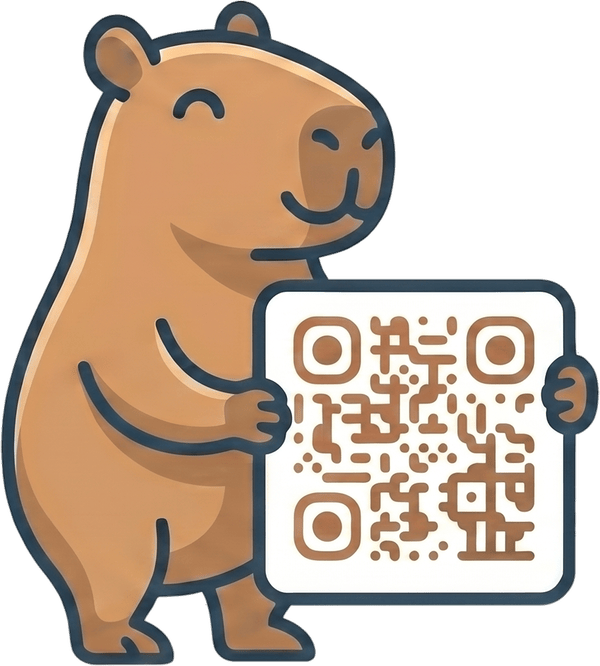
Hier ist ein Capy QR, exportiert als scharfes SVG — mit hohem Kontrast, ohne Wasserzeichen, ohne Konto:
Häufig gestellte Fragen
- In welchem Dateiformat sollte ich einen QR-Code für den Druck exportieren?
- Vektor — SVG oder PDF — nicht PNG oder JPEG. Eine Vektordatei skaliert auf jede Druckgröße ohne Unschärfe, während eine Rasterdatei (PNG/JPEG) bei Vergrößerung für etwas wie ein Poster oder Banner pixelig aussehen kann. Capy QR exportiert beide Vektorformate kostenlos ohne Wasserzeichen.
- Wie groß sollte ein gedruckter QR-Code sein?
- Als Faustregel dimensioniere den Code auf etwa ein Zehntel der vorgesehenen Scandistanz — ein aus der Nähe gelesener Code auf einer Visitenkarte kann 2 cm groß sein, während eine aus 50 Metern gelesene Plakatwand einen Code von etwa 5 Metern Größe benötigt.
- Welche Farben und Kontraste halten einen QR-Code im Druck scannbar?
- Halte einen starken Kontrast zwischen dem Code und seinem Hintergrund — dunkle Module auf hellem Hintergrund ist die sicherste Wahl. Vermeide kontrastarme Farbkombinationen und lasse immer einen klaren Rand aus leerem Raum um den Code, damit Scanner seine Kanten finden können.
- Beeinflussen Papierart oder Finish das Scannen des QR-Codes?
- Ja — glänzendes oder stark strukturiertes Papier kann Reflexionen erzeugen, die die Kamera eines Smartphones verwirren, besonders bei hellem oder schrägem Licht. Matte Oberflächen sind im Allgemeinen zuverlässiger. Teste immer ein Probeexemplar unter den tatsächlichen Lichtbedingungen, unter denen der Code gescannt wird.
- Muss ich einen QR-Code vor einer Druckauflage testen?
- Immer. Drucke ein Probeexemplar in der tatsächlichen Größe und dem Material und scanne es dann mit zwei verschiedenen Smartphones, bevor du dich auf eine volle Auflage festlegst — das erkennt Größen-, Kontrast- oder Materialprobleme, die nach dem Druck teuer zu beheben sind.
Kurz gesagt: exportiere als Vektor, dimensioniere für die Scandistanz, halte starken Kontrast, wähle matt statt glänzend, und teste immer ein echtes Probeexemplar mit zwei Smartphones vor der vollen Auflage. Capy QR exportiert kostenlos druckfertiges SVG und PDF ohne Wasserzeichen. Starte mit dem URL-QR-Code-Generator oder sieh dir QR-Codes für Werbung für die Größenbestimmung bei Außenwerbung an.